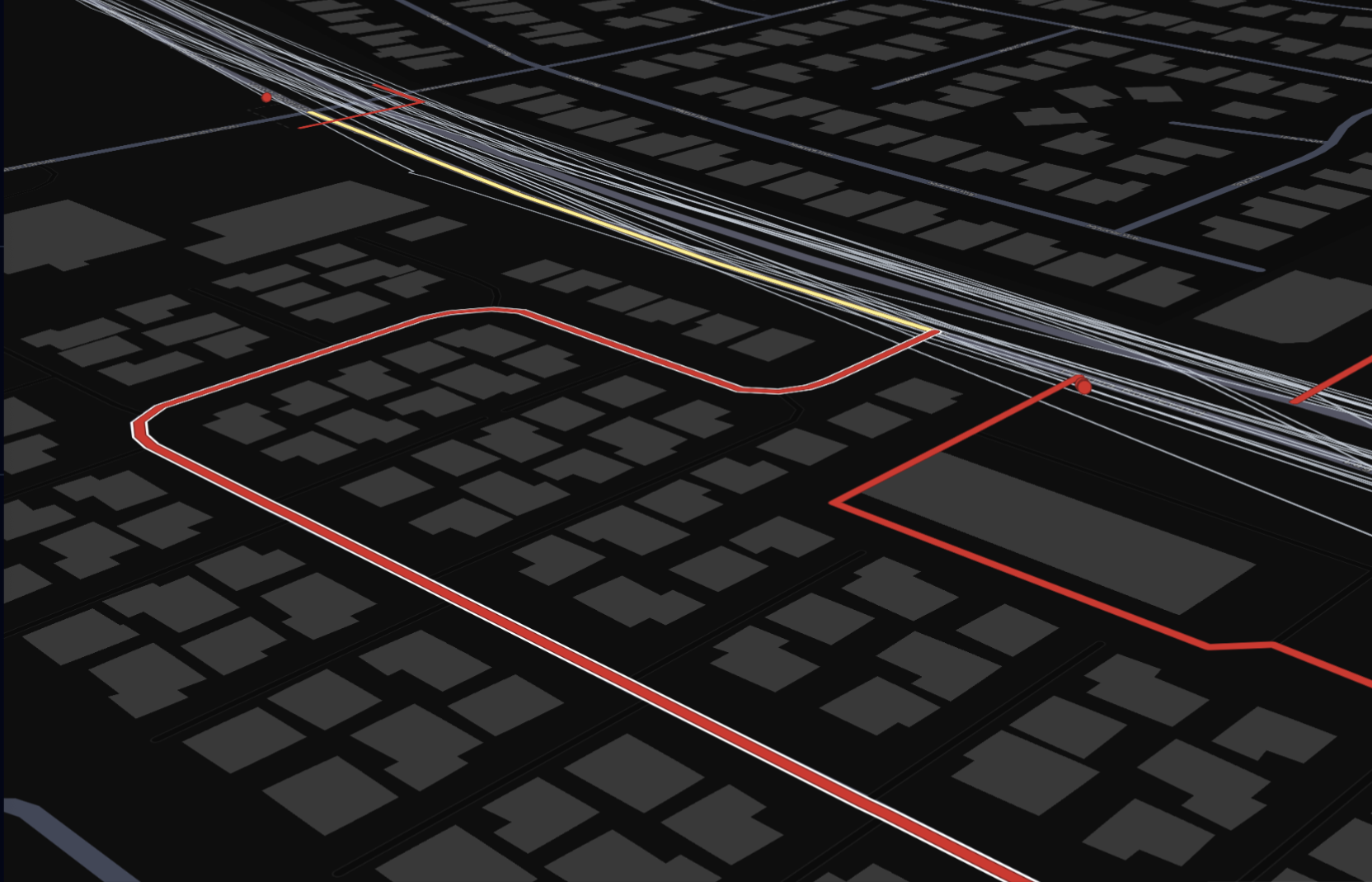
Location validity
GPS teleportation, impossible coordinates, distance-to-road violations, and drift away from drivable surfaces.
Our partners

Aspen is powered under the hood by Wherobots, the distributed spatial compute platform. Wherobots helps us catch patterns generic fleet systems miss across engine, GPS, sensor, and perception data.
Why it matters
Modern fleets generate high-volume telemetry from vehicles, devices, cameras, and onboard systems. A single GPS ping, fuel reading, or model output can look harmless alone, but become meaningful when compared against the road segment, vehicle history, and surrounding events.
GPS teleportation, impossible coordinates, distance-to-road violations, and drift away from drivable surfaces.
Coordinate freezes, dead-zone signal loss, out-of-order timestamps, and hung trackers repeating identical points.
Idle outliers, dwell-time anomalies, route deviations, and underutilization patterns tied to real geography.
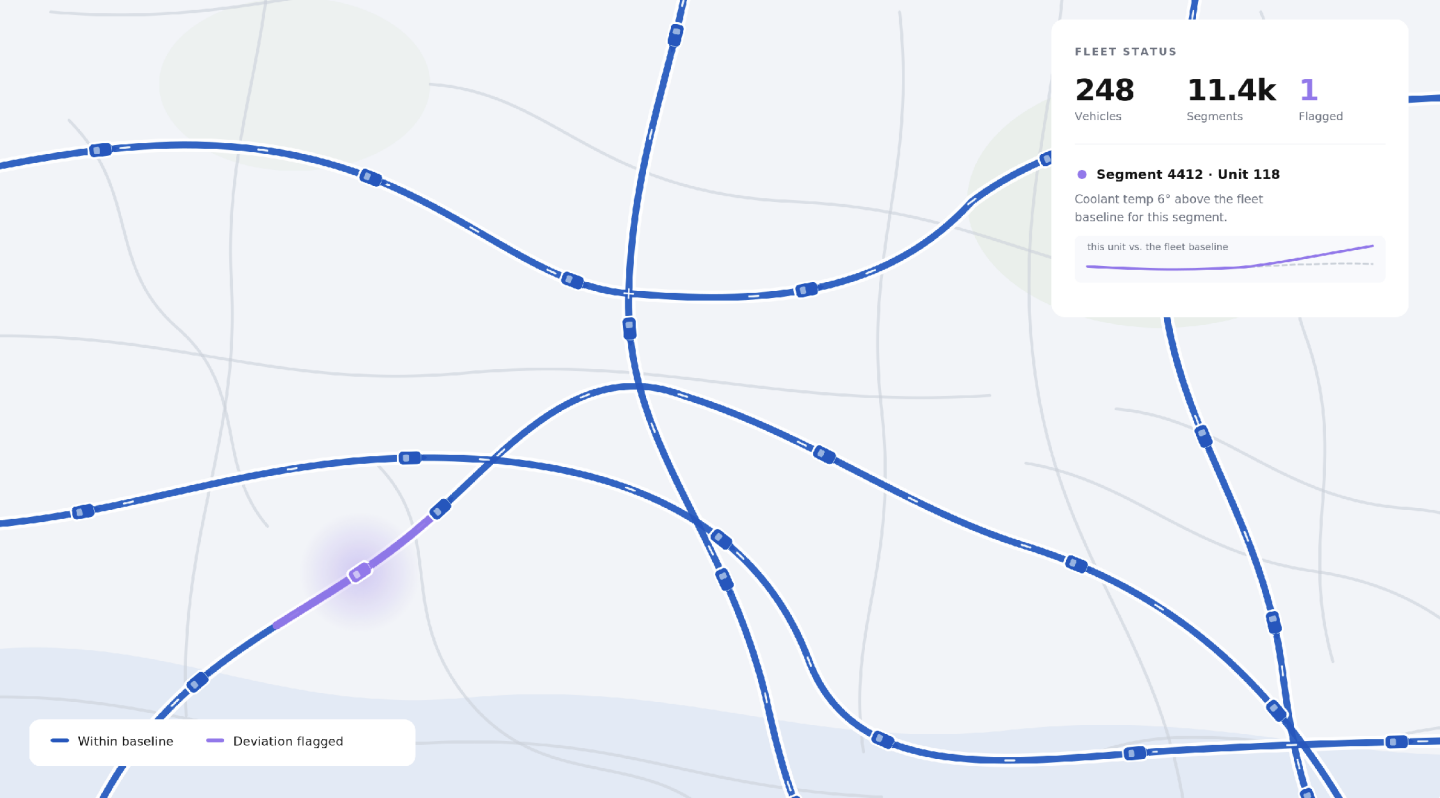
Fuel, coolant, oil temperature, tire pressure, EV state of charge, and signal strength checked by route segment.
Built together
Legacy fleet tools apply global thresholds and treat pings in isolation. Aspen uses Wherobots to make spatial context a first-class signal, so the system can understand what is normal for a vehicle on a specific route segment.
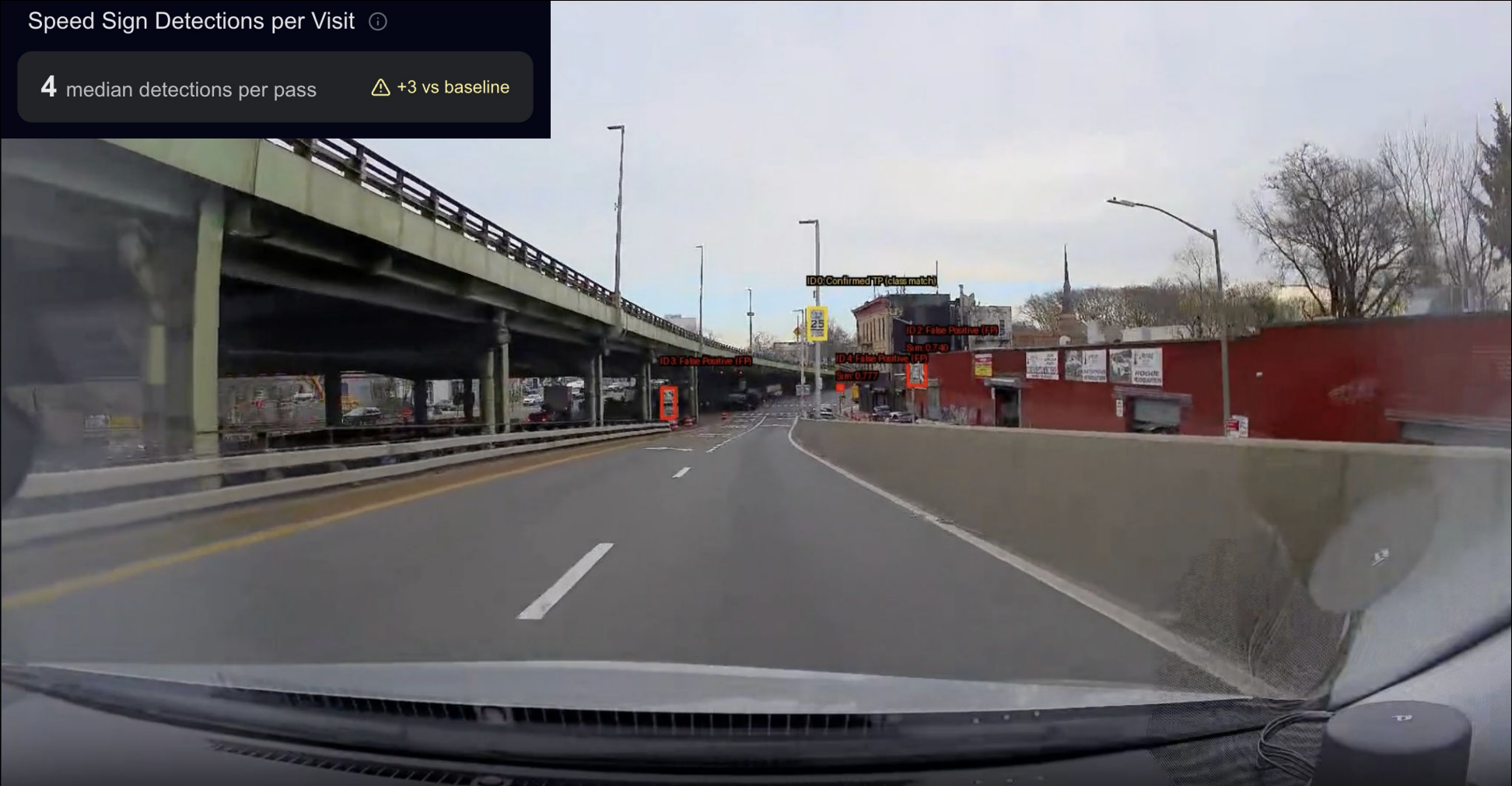
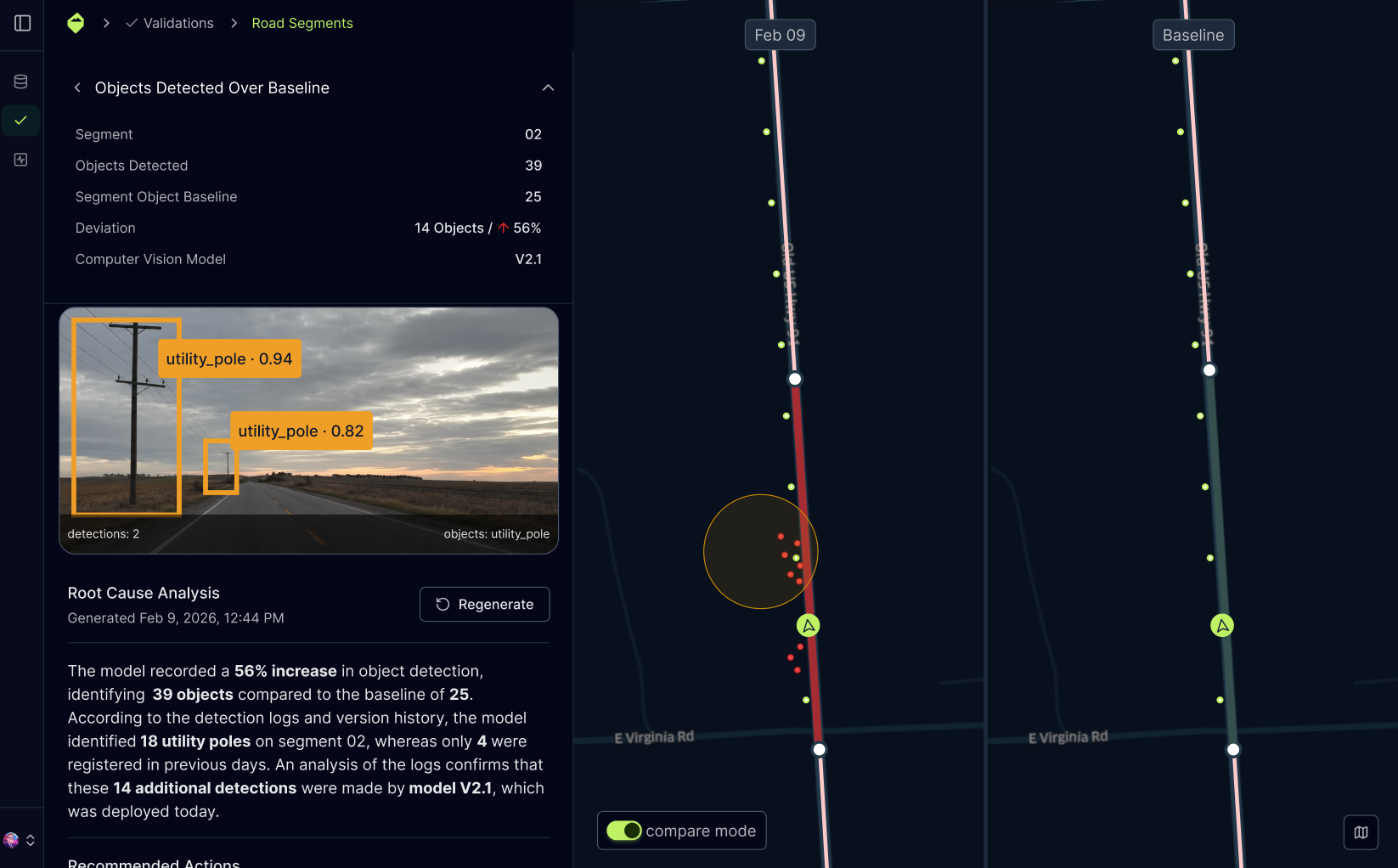
The result is cleaner fleet history, more accurate anomaly detection, and earlier action on fuel drift, brake-system changes, GPS faults, sensor decay, and physical AI perception regressions.
How Aspen runs
Process years of stored telemetry to label bad records, find systematic anomalies, and create a cleaner baseline for analytics, forecasting, and machine learning.
Analyze streaming telemetry within minutes so operations teams can act before a small pattern becomes a costly incident.
Extend Aspen's rule library around your operating model, device classes, route network, and maintenance priorities.
Resources
Read the Wherobots and Action Engine article, or download the Aspen fleet observability decks used to explain the shared architecture and use cases.